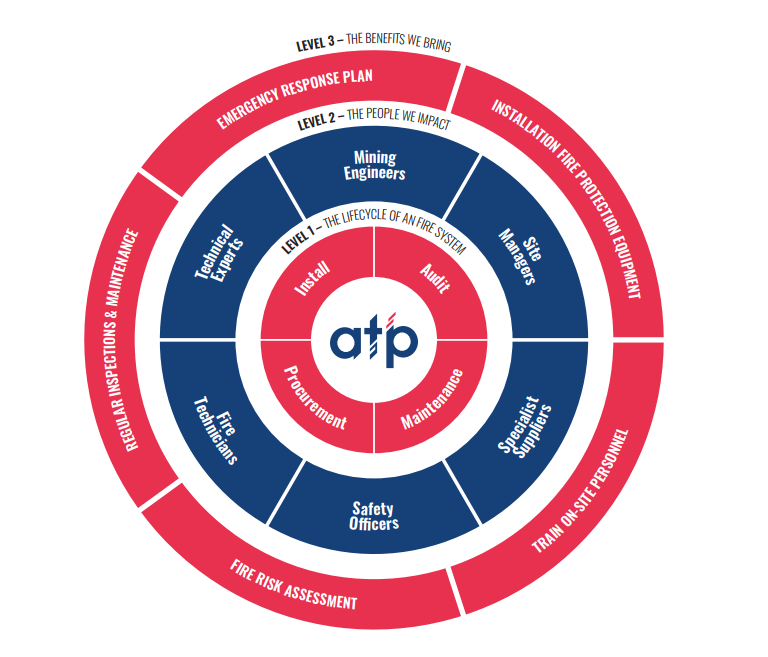
ATP’s Integrated Solutions approach is at the centre of its
SINGLE SOURCE DELIVERY MODEL
There is a certain electricity that hums through a casino tournament lobby just before the first round begins. The air thickens with anticipation, players clutch their chips a little tighter, and the leaderboard sits blank like a canvas waiting for a masterpiece. For those stepping into the world of competitive gambling, the difference between a quick exit and a deep run often comes down to preparation. Whether you are a seasoned veteran or a newcomer looking for an edge, the right approach can transform your experience. A great starting point for understanding the tournament ecosystem is to explore the resources available at tournaversebet.com, where you can find detailed breakdowns of various competitive formats.
Tournaments in the casino realm are not merely about luck; they require a strategic mindset. Unlike casual play, where you can afford to chase a hunch, a tournament demands that every move is calculated. The timer is ticking, the blind levels are rising, and your stack is finite. This pressure cooker environment separates the thrill-seekers from the true tacticians. The key is to approach the battle with a plan, one that adapts as the competition thins out.
Before you ever sit down, you must grasp the tempo of the event. A tournament is a marathon with sprints. Early levels are forgiving, allowing you to survey your opponents and build a foundation. This is the time to play selective aggression, entering pots with premium hands or strong draws, but avoiding unnecessary confrontations. As the blinds increase, however, the pressure ratchets up. The middle stages demand a shift; you must become more active, stealing blinds and defending your stack with conviction.
Late-stage play is where survivability meets opportunism. The bubble—the point just before the money spots—is a psychological minefield. Many players tighten up, scared to bust out empty-handed. This is your moment to exploit fear. Applying pressure on these cautious opponents can build your stack without needing to show down strong hands. Once you cross the cash line, however, the dynamics flip again. Short stacks become desperate, and deep stacks can afford to bully. Adapting your strategy to each phase is the hallmark of a true contender.
In a casino tournament, your position at the table is your compass. Being in late position (closer to the dealer button) gives you the gift of information. You see what everyone else does before you act. This is the time to widen your range, especially when it folds to you. Conversely, early position is a minefield. Entering a pot from there without a strong holding is like walking into a no-man’s-land. Stick to your premium hands and avoid marginal calls that could bleed your stack.
Your table image is your shield. Are you seen as a tight, conservative player? Exploit that by occasionally bluffing when you sense weakness. Are you viewed as a loose cannon? Use that reputation to value bet aggressively when you finally hit a monster. The most effective players are chameleons, shifting their appearance to match the battlefield’s needs. Remember, every fold, every raise, every check tells a story. Make sure the story you tell leads to confusion for your enemies, not yourself.
Two primary schools of thought dominate the tournament arena. Understanding when to apply each can be the difference between a trophy and a rail seat.
| Strategy | Core Principle | Best Used When | Key Risk |
|---|---|---|---|
| Hyper-Aggression | Constant pressure, frequent raises and re-raises, dominating pots through sheer force | You have a large stack, the blinds are high, or the table is passive | Getting caught in a trap by a passive player with a monster hand |
| Patient Conservation | Selective starting hands, avoiding coin flips, waiting for premium spots to accumulate value | You are short-stacked, the bubble is approaching, or you have no reads on opponents | Blinding out slowly or missing opportunities to accumulate chips |
Neither strategy is inherently superior. The craft lies in switching gears. You might start conservatively, then flip to aggression after doubling up. Or you might apply pressure early, then tighten up as the field shrinks. The best players do not have a single speed; they have a thousand gears.
Tournament success is rarely about one massive pot. It is about collecting small edges across hundreds of hands. This includes positional awareness, recognizing weak opponents, and exploiting common mistakes. Many players lose tournaments not on a bad beat, but on a series of small, preventable leaks. Folding a marginal hand out of position, calling a raise with a dominated hand, or failing to adjust to a player who never folds—these are the cracks in a foundation that eventually bring down a castle.
Another often overlooked edge is bankroll management within the tournament itself. Do not risk too many chips on speculative draws unless the pot odds justify it. A flush draw is tempting, but if it costs you half your stack to chase, the price is too high. Patience is not just a virtue; it is a currency.
Q: How should I adjust my play if I have a very short stack?
A: You must shift into push or fold mode. Look for spots where your stack is between 8 and 15 big blinds. When you have a decent hand, put all your chips in first to maximize fold equity. Avoid calling all-in bets unless you have a premium hand.
Q: What is the biggest mistake new tournament players make?
A: Playing too many hands from early position. This leads to being out of position post-flop and bleeding chips in marginal spots. Discipline in starting hand selection is the fastest way to improve survival rates.
Q: Should I always try to make the money?
A: Not necessarily. If you are short-stacked on the bubble, survival can be profitable. However, if you have a healthy stack, playing too conservatively to sneak into the money can cost you a chance at a deep run and a much larger payout. Balance is key.
Q: How do I handle a player who is very aggressive?
A: Trap them. Let them build the pot and then snap them off with a strong hand. Alternatively, re-raise them pre-flop when you have a solid holding to take control of the pot. Do not let them bully you without resistance.
Q: Is it better to play many small tournaments or one big one?
A: From a variance perspective, more entries into small tournaments smooth out the natural swings of luck. For a bigger payout potential with higher risk, a single larger tournament is the choice. It depends on your bankroll and risk tolerance.
True mastery in a casino tournament is not about winning every hand; it is about winning the hands that matter. The chips you save are just as valuable as the chips you win. Fight smart, not just hard.
In the end, the battlefield of a casino tournament is unforgiving but rich with opportunity. Every hand dealt is a chance to outthink, outmaneuver, and outlast your rivals. The tactics laid out here are not a guarantee, but they are a foundation. Adapt them to your own style, learn from every exit, and one day, you might find yourself at the final table, staring down a leaderboard with your name at the top. The tournament awaits. Play with purpose.
"*" indicates required fields













"*" indicates required fields