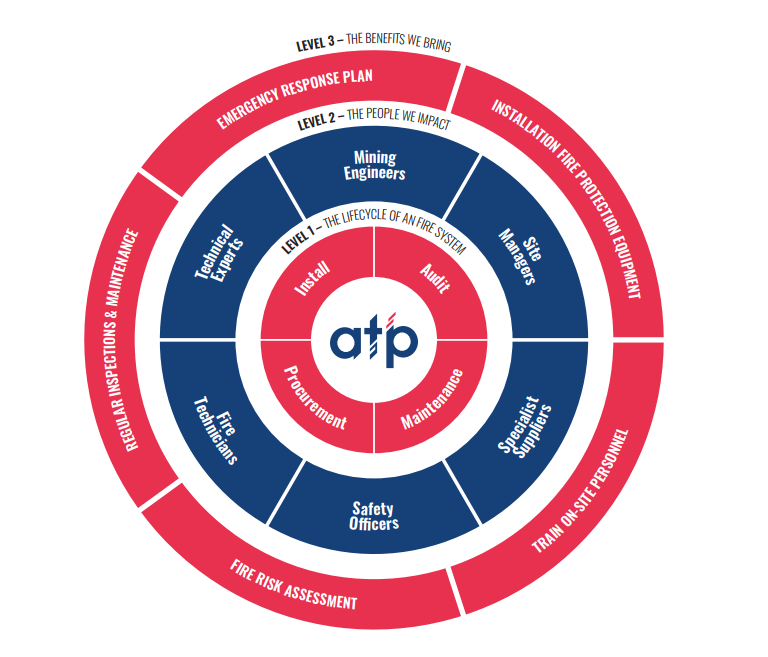
ATP’s Integrated Solutions approach is at the centre of its
SINGLE SOURCE DELIVERY MODEL
Every city has its landmarks, but some structures carry more echoes than others. Tucked away from the usual tourist trails, the venerable fortress known as Kungaslottet stands as a silent witness to centuries of Scandinavian drama. While many visitors to Stockholm flock to the waterfront and modern museums, those with a taste for the enigmatic often find themselves drawn towards the weathered stone walls of this ancient royal residence, curious about the Kungaslottet and what stories it might hold.
Stepping inside the castle feels less like visiting a museum and more like walking through a time capsule that has somehow remained sealed for generations. The corridors here don’t just display history; they seem to breathe it. As you run your fingers along the cool, rough-hewn masonry, you can almost picture the procession of kings and queens who once wandered these same passages, their footsteps echoing on the very same flagstones. It is a profoundly moving experience that modern glass-and-steel attractions rarely manage to replicate.
Yet, the true allure of this place isn’t solely in its age or its architecture. It lies in the secrets that are still being uncovered. Restoration projects in recent years have revealed hidden wall paintings, sealed-off rooms, and even forgotten staircases that were blocked up during the 18th century. These discoveries paint a fascinating picture of a building that was never static but constantly evolving, with each generation of royals adding their own layer to the rich tapestry of the structure.
Beyond the physical secrets, the castle serves as a repository of family intrigues and political maneuvering. It was within these walls that alliances were forged, treaties were broken, and love stories unfolded far from the prying eyes of the public. Every banquet hall and every quiet library chamber holds the potential for a dramatic story. Historians believe that many documents and personal correspondences are still locked away in private archives, waiting to be properly cataloged and studied by future generations of scholars.
For the modern visitor, the experience is multifaceted. You can wander through the period rooms, which have been meticulously restored to reflect their former glory, or explore the subterranean vaults that once housed the royal treasury. There is a palpable sense of weight to the place, a feeling that you are treading on ground where pivotal decisions were made. It offers a stark contrast to the modern, streamlined efficiency of the city outside its walls.
What makes the castle truly unique is the visible stratification of its history. Unlike many palaces that were rebuilt entirely in a single architectural style, this structure showcases a medley of influences. The medieval foundations, with their stark, utilitarian stones, support later additions of Renaissance elegance and Baroque opulence. This layering is not just an architectural curiosity; it is a physical manifestation of the kingdom’s evolution through plagues, wars, and periods of great prosperity.
To better understand this unique blend, consider the primary architectural phases that visitors can observe today:
| Era | Architectural Character | Notable Feature |
|---|---|---|
| Medieval Foundation | Grim, robust, utilitarian fortification style | The original defense walls and deep cellars |
| Renaissance Expansion | Lighter, more decorative windows and gables | The grand East Wing’s ornate facade |
| Baroque Remodeling | Grandiose, symmetrical, with lavish interiors | The imposing royal chapel and golden hall |
This architectural timeline offers a tangible way to trace the shifting power dynamics and cultural influences that shaped the nation, from the defensive caution of the Middle Ages to the confident display of wealth and artistry in the later centuries.
Some of the most intriguing stories involve the ghostly legends that are attached to the castle. Whether you believe in the supernatural or not, the tales add a layer of mystique to the evening tours. One legend speaks of a lady in white who is said to haunt the northern tower, forever waiting for a lover who never returned from a distant war. Another whispers of a hidden tunnel that was used by royals to escape unscheduled uprisings, connecting the castle to a church across the city.
While these stories are not substantiated by historical records, they highlight the castle’s role in the public imagination. It stands as a symbol of endurance and mystery in a city that is otherwise very much focused on the future. The juxtaposition of ancient stone and modern life is jarring yet beautiful, and it prompts a deeper reflection on the passage of time.
If you are planning a visit, keep a few things in mind to make the most of your journey into the past:
The castle is more than a stop on a sightseeing list; it is a deep dive into the soul of a nation, promising a steady stream of discoveries for those willing to look beyond the surface.
What is the best time of year to visit?
The summer months offer the most pleasant weather and extended opening hours, though the fall provides a particularly atmospheric setting with lower crowds and beautiful foliage surrounding the premises.
Are there guided tours available in English?
Yes, the castle offers guided tours in English on a regular basis, especially during the high season. It is always recommended to check the official schedule in advance to secure a spot.
Is photography allowed inside the castle?
Generally, photography is permitted in the main halls and public areas, but restrictions often apply in specific exhibition rooms to protect delicate artifacts. Staff members are on hand to clarify the rules for each zone.
Are there dining facilities on the premises?
There is a charming cafe situated in the old vaulted cellar, offering light meals, coffee, and pastries in a unique historical setting. It is a lovely spot to rest during a longer visit.
How accessible is the castle for guests with mobility challenges?
While the historical nature of the building presents some challenges, the main floors are accessible via ramps and elevators. However, access to the older cellars and the highest towers is often limited due to the narrow, spiral staircases.
"*" indicates required fields













"*" indicates required fields