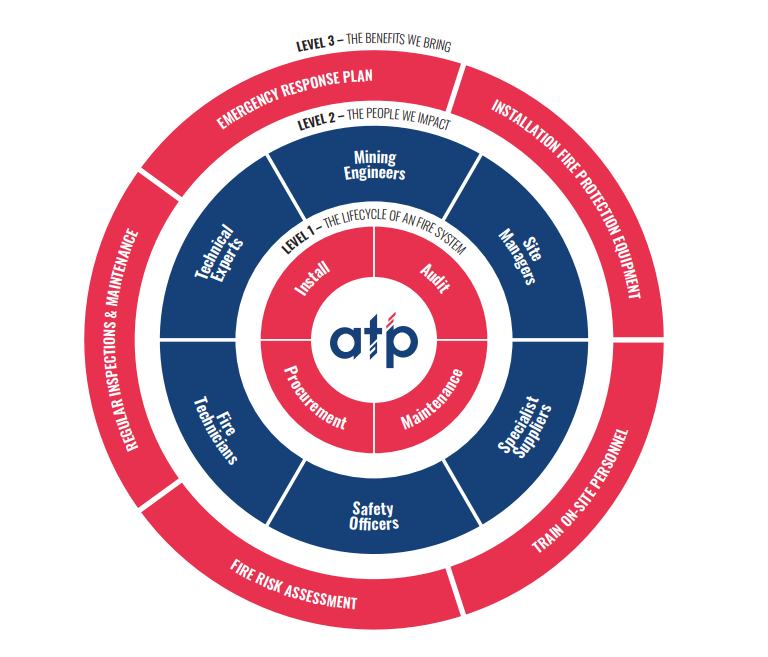
ATP’s Integrated Solutions approach is at the centre of its
SINGLE SOURCE DELIVERY MODEL
The digital landscape has become a sprawling tapestry of voices, visuals, and verifiable claims. For anyone building a brand—whether a solo creator or a growing enterprise—the ability to shape how the world perceives you is no longer a luxury; it is a fundamental necessity. This is where the concept of a powerful, intentional digital presence comes to life, and platforms like http://spinzenbet.com offer a lens into the kind of control and visibility that modern audiences expect.
Navigating the online ecosystem today feels less like a calm sea and more like a rapid river. Every post, every comment, and every shared story either strengthens your narrative or adds a crack to its foundation. The goal is not merely to be seen, but to be understood on your terms. It is about weaving a coherent story that resonates, educates, and inspires trust without shouting for attention.
Authenticity is the currency of the current internet age. Audiences have developed a sharp instinct for detecting forced messaging or hollow branding. A strong digital narrative is built on three core pillars: clarity of purpose, consistency of voice, and evidence of value. When these elements align, a brand ceases to be a mere logo and becomes a living entity in the minds of its followers.
Clarity means knowing what you stand for before you speak. It’s the difference between a vague tagline and a mission that feels tangible. Consistency means your tone on a casual social post mirrors the professionalism of your website’s about page. Evidence of value comes from sharing insights, solving problems, or simply entertaining with a unique perspective. This trifecta turns passive observers into active participants in your story.
“The most dangerous phrase in the language is: ‘We’ve always done it this way.'” This holds true for digital branding. Stale repetition kills curiosity. A narrative must breathe and adapt, yet remain unmistakably yours.
Consider the modern user’s journey. They might discover you on one platform, research you on another, and make a judgment within seconds. If your visual identity—colors, fonts, imagery—feels disconnected from your written content, the brain registers a warning signal. Human cognition craves harmony. When a profile picture looks professional but the bio reads like a robot, or when a blog post uses flowery language next to grainy images, the narrative fractures.
To avoid this, think of your brand as a single organism with many limbs. Your visual design should echo your verbal tone. If your voice is witty and irreverent, allow your graphics to be playful. If your voice is authoritative and data-driven, let your layouts be clean and minimal. This alignment creates a powerful feedback loop where each piece of content reinforces the next, building a fortress of credibility.
Every strategy comes with its own set of strengths and weaknesses. Understanding where to invest your energy depends largely on your goals and resources. The table below breaks down two common routes for mastering your digital narrative.
| Approach | Key Strength | Potential Weakness |
|---|---|---|
| Polished & Planned | Built for long-term authority and trust; resonates with professional audiences. | Slower to produce; can feel rigid if not injected with human spontaneity. |
| Raw & Reactive | Feeds real-time engagement; feels authentic and immediate. | Higher risk of inconsistent messaging; harder to control the core narrative. |
Neither path is inherently wrong. The best digital leaders often blend both, using planned content for the pillars of their story and reactive content to show they are listening. However, the foundation must always be a clear sense of who you are. Without that, even the most polished output reads as noise.
Many ambitious attempts at building a digital presence stumble over predictable obstacles. Being aware of them saves time and preserves reputation.
Awareness of these traps allows you to build guardrails into your process. Simple checklists before publishing, or a second pair of eyes on important releases, can catch misalignments before they become public.
Tangible shifts in audience perception usually require consistent effort over several months. Short-term vanity metrics can rise quickly, but genuine narrative control is a marathon, not a sprint.
Absolutely, but with the understanding that it demands discipline and clear prioritization. Automation tools for scheduling and basic analytics can lighten the load significantly.
Overcomplicating the story. Trying to appeal to everyone results in a diluted message. Start with a specific audience and a simple, honest claim, then expand from there.
Selectively, yes. Pruning outdated or off-brand material can sharpen your present story. However, keep content that shows genuine growth and evolution, as that builds human connection.
Very important, though not mandatory for every brand. Video humanizes the storyteller and builds emotional resonance faster than text alone, but only if the quality reflects your standards.
Data should inform, not dictate. Use analytics to understand what resonates, but let your core identity and values lead the creative decisions. Data without heart is just noise.
Mastering your narrative digital presence is not about controlling every pixel and word with an iron fist. It is about cultivating a garden where your authentic voice can thrive, supported by a structure that gives it visibility. The tools and platforms are many, but the principle remains simple: tell your story with clarity, consistency, and honest value. When you do, the right audience will not just find you—they will stay.
"*" indicates required fields













"*" indicates required fields