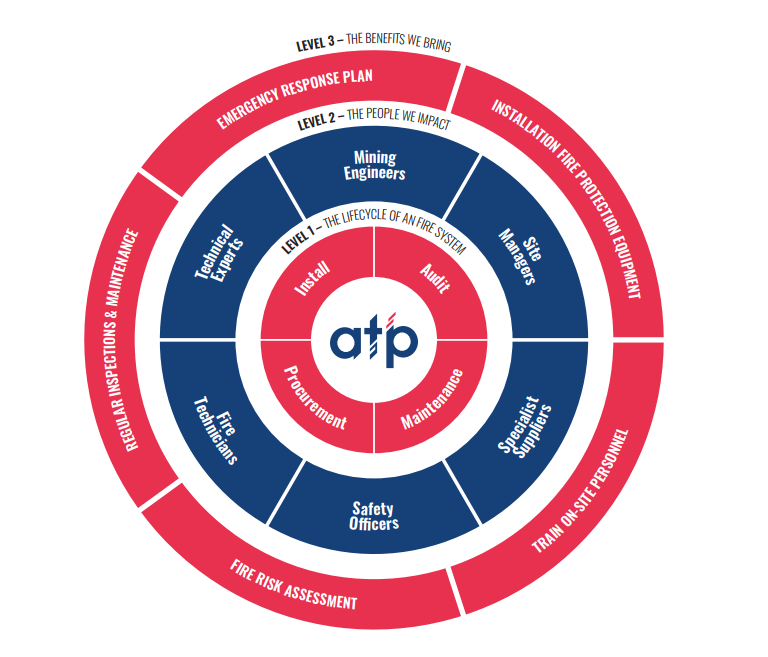
ATP’s Integrated Solutions approach is at the centre of its
SINGLE SOURCE DELIVERY MODEL
There’s a particular thrill that comes with holding a weak hand and yet walking away with the pot. It’s not merely about luck or mathematical probability; it’s a psychological chess match played with chips and cards. The art of the bluff has fascinated players for centuries, turning simple games of chance into battlegrounds of wit and nerve. Whether you’re sitting in a plush casino lounge or engaging with an online platform like http://betukbet.com/, understanding the subtle dance of deception can truly transform your experience.
Most newcomers assume that winning is solely about the cards you are dealt. They study hand rankings and memorize odds, believing that discipline alone will carry them through. While that foundation is essential, it’s only half the story. The real magic happens when you realize that you are not just playing the cards; you are playing the person sitting across from you. Every pause, every glance, every deliberate chip toss sends a message, and learning to control that narrative is what separates the casual player from the crafty strategist.
However, the bluff is not a reckless gamble. The most successful deceptions are built on a solid understanding of the game’s rhythm. You cannot simply bet big on every weak hand and expect to be feared. instead, you must pick your moments with surgical precision, observing your opponents’ tendencies and identifying the spots where your story will be most believable. A bluff is, after all, a story you tell with your betting pattern, and the best tales are the ones that feel entirely natural.
Let’s consider the foundational elements that underpin a convincing bluff. First, you need a keen sense of table image. If you have been playing tight and conservative for the last hour, your sudden aggression carries immense weight. Conversely, if you have been caught bluffing twice already, your credibility is shot, and any further attempts will be met with quick calls. Consistency is the bedrock upon which deception is built.
Another crucial element is position. Bluffing from an early position is far riskier because numerous players act after you, each holding the potential to call. From a late position, however, you have the advantage of seeing how everyone else reacts. If the table checks to you, a well-timed bet can seize the initiative without much resistance. The key is to only tell your story when the audience is small and the stage is set.
Beyond these technical aspects, you must also learn to manage your own emotional temperature. The physical tells are often the loudest signals at the table. The trembling hand reaching for chips, the sudden intake of breath, the forced stillness that feels unnatural — these are the whispers that betray a lie. Cultivating a consistent demeanor, whether you are bluffing or holding the nuts, is a skill that requires constant practice and self-awareness.
To further illustrate the strategic landscape, consider the differences between various types of bluffs and their suitable contexts. The table below breaks down common approaches and when they might be most effective.
| Bluff Type | Core Idea | Ideal Moment |
|---|---|---|
| Pure Bluff | Betting with a hand that has little to no chance of winning if called. | When the board is scary and opponents seem hesitant. |
| Semi-Bluff | Betting with a draw that could improve to the best hand on a later street. | When you have a flush or straight draw and want to build the pot while applying pressure. |
| Stone-Cold Bluff | Aggressive betting with complete garbage, often on the river. | When an obvious draw missed and you represent the winning hand that never materialized. |
While the bluff is a powerful weapon, it is far from the only tool in your arsenal. A well-rounded strategy involves a mix of aggressive betting, careful checking, and the occasional tactical fold. The goal is to keep your opponents guessing, ensuring that they can never quite pin down your style. This unpredictability is the ultimate shield, making every decision you make a potential trap.
Consider these key takeaways for refining your approach at the table:
Ultimately, mastering the bluff is about gaining a deeper appreciation for the human element of the game. It is about learning to read not just the cards, but the person. The tension that fills the air when a massive bet is placed is a shared experience, a moment of connection through the language of risk. When you successfully pull off a daring deception, the feeling is exhilarating — not because you fooled someone, but because you understood them.
No, but it is a valuable tool. While you can win by playing purely solid, value-heavy hands, incorporating bluffs into your strategy makes you much harder to read and allows you to win pots that you would otherwise concede.
There is no fixed number, as it depends heavily on table dynamics and your opponents’ tendencies. A general principle is to bluff less frequently than you think you should; most players overestimate how often a bluff will succeed.
Observation. You must be able to identify when your opponents are weak or uncertain. Without that read, a bluff is just random aggression destined to fail.
Yes, though the dynamics shift. Without physical tells, you must rely on betting patterns and timing. Opponents who act too quickly or too slowly often provide clues that you can exploit.
Passive tables are generally prime targets for bluffing because fewer players are willing to risk their chips without strong hands. However, you should still be selective and avoid bluffing against known calling stations.
Bluffing without a believable story. They make a large bet on the river without having represented strength earlier in the hand, which makes the bluff transparent and easy to call.
"*" indicates required fields













"*" indicates required fields