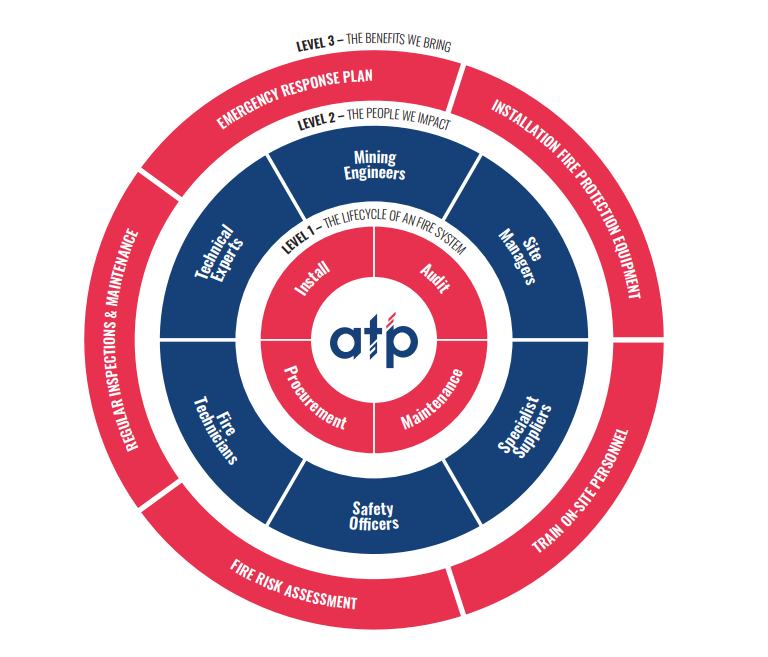
ATP’s Integrated Solutions approach is at the centre of its
SINGLE SOURCE DELIVERY MODEL
It is a curious thing, the way love often hides in the most unexpected places. You might swipe through hundreds of profiles, sit through awkward coffee dates, or follow the well-trodden path of modern romance—only to find that the real connection was waiting in a field of buttercups. There is a particular magic to meeting someone while your hands are dirty with soil and your mind is quiet, focused on the simple task of identifying a common vetch. This is the philosophy behind the growing trend of romantic foraging, a practice that draws its name from the playful, untamed spirit suggested by the wildrobin ethos of finding beauty in the wild.
Foraging for wildflowers is not just a hobby; it is a slow, deliberate dance with nature and with another person. Unlike the frantic energy of a nightclub or the sterile bar scene, foraging forces you to be present. You are not performing for an audience. You are bending down to smell a cowslip, pointing out a patch of wild garlic, or tasting a sour sorrel leaf. This shared quietness builds a foundation of comfort. It strips away social masks and allows two people to see each other in their most natural, unpretentious state.
The act of walking side-by-side through a meadow or a woodland edge creates a unique rhythm. You walk together, you pause, you whisper about a tiny blue speedwell. There is no pressure to fill every silence with clever comments. In the silence, you hear the rustle of the wind, the buzz of a bee, and the sound of your companion’s breathing. These are the raw ingredients of intimacy. Many couples who meet through foraging clubs or guided walks report that their first conversations were not about their jobs or their exes, but about the edibility of a mushroom or the medicinal properties of yarrow.
Standard dating relies heavily on verbal gymnastics. You ask, “What do you do for a living?” They answer, and you try to build a bridge. Foraging replaces this with a shared problem-solving adventure. You both need to identify a plant. You consult a field guide together. Your fingers touch the same page. One of you remembers that the leaf of the hedge mustard smells like cabbage. This creates a cooperative dynamic rather than a competitive one. It demonstrates patience, curiosity, and a willingness to learn—three traits that are highly attractive in a long-term partner.
Furthermore, foraging taps into an ancient part of the human psyche. For most of our history, gathering food was a communal, vital activity. When you forage with someone, your brain is flooded with oxytocin, the “bonding” hormone, because the activity feels safe and productive. You are not just looking at flowers; you are ensuring your mutual survival, even if only symbolically. This primal connection is far more potent than any algorithm-generated match.
A foraging date is a crucible for character. You can learn more about a person in two hours of mushroom hunting than in two weeks of texting. Here are the specific personality signals you will notice:
To truly understand the difference, it helps to place the two methods side-by-side. The contrast is stark and revealing.
| Aspect | Typical App-Based Date | Wildflower Foraging Date |
|---|---|---|
| Initial Setting | Noisy bar, coffee shop, or restaurant | Open meadow, forest edge, or quiet park |
| Conversation Flow | Often forced, with awkward pauses filled by phone checking | Natural, soft, and punctuated by shared discoveries |
| Focus of Attention | Each other’s appearance and social performance | Nature, the plants, and the process of learning together |
| Primary Skill Used | Verbal wit and charm | Patience, observation, and gentle curiosity |
| Typical Outcome | A quick evaluation and a potential ghosting | Shared memories, a basket of herbs, and a real sense of connection |
If this idea speaks to you, but you live in a city, do not despair. Urban parks and neglected alleyways are full of edible weeds like purslane and chickweed. The key is to join a local group or find a mentor who knows the terrain. Start in spring when the wild garlic and ramps appear. Carry a simple guidebook and a small basket. When you meet someone, suggest a walk in a nearby green space. The magic lies not in the location, but in the intention. You are not just looking for plants; you are looking for a soul who sees the world the same way you do—as a place full of hidden, gentle treasures.
Not at all. In fact, being a beginner is better because it allows you to learn together. The mistakes and the “oops, that’s not mint, that’s stinging nettle” moments create laughter and bonding.
Focus on other wild edibles like berries, nuts, or even common weeds. Dandelions grow almost everywhere. The activity matters more than the specific plant.
It is safer to observe and identify first. Only eat something if you are 100% certain of its identification. Prepare a small picnic of known safe foods as a backup.
Early spring is wonderful for greens and flowers. Late summer offers berries and mushrooms. Each season has its own unique romance and color palette.
Frame it as a “walk and identify” adventure. Say something like, “I know a park with amazing wild garlic, and I’d love to see if we can find some. Trade a latte for a basket of herbs.” It is novel and intriguing, not odd.
"*" indicates required fields













"*" indicates required fields