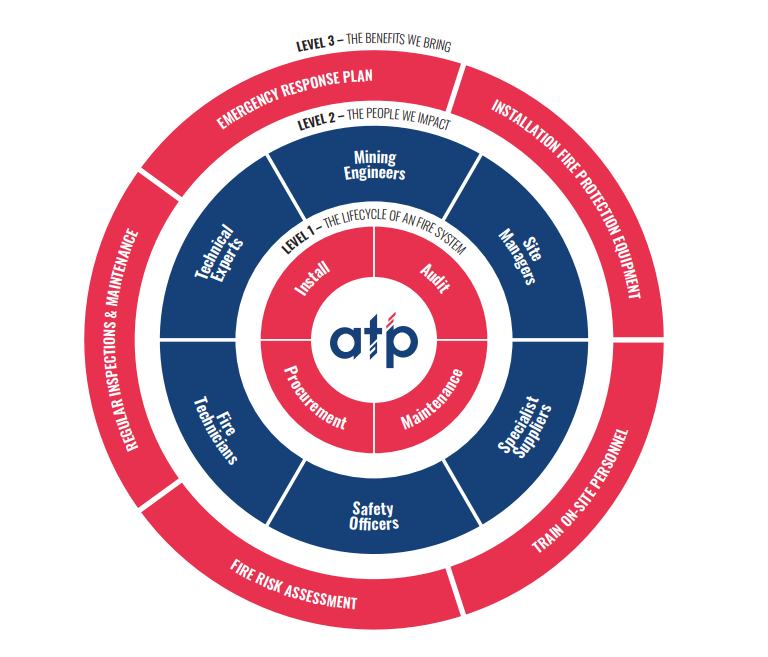
ATP’s Integrated Solutions approach is at the centre of its
SINGLE SOURCE DELIVERY MODEL
The world of table games is rich with nuance, where the tactile feel of clay composite or the soft clatter of plastic components can set the tone for an entire evening of play. For those who appreciate the finer points of game mechanics, the act of managing game tokens is more than a simple necessity—it is a subtle craft. At the heart of this craft lies the skill of arranging and randomizing tokens before the action begins. Whether you are hosting a high-stakes gathering or simply enjoying a night of friendly competition, mastering the flow of these small discs can elevate your entire experience. Many enthusiasts are now turning to platforms like casino rolldorado to deepen their understanding of these nuanced traditions.
Poker chips are not just currency for betting; they are instruments of rhythm and psychology. The way a player handles them can convey confidence, hesitation, or even strategic misdirection. Precision shuffling is a specific technique that involves more than mere mixing—it is about maintaining control while ensuring a statistically fair distribution. This practice requires a delicate balance between dexterity and awareness, turning a mundane task into a performance of manual grace.
Before diving into advanced methods, one must understand the basic properties of the chips themselves. Most modern tokens are made of compressed clay or ceramic composites, giving them a satisfying weight and a distinct sound when they collide. The texture is crucial; a slight roughening on the edges can prevent sliding, while smooth surfaces allow for faster splits and stacks. Beginners often overlook the importance of finger placement. Your fingertips should rest lightly on the edges of the stack, not pressing down flat, to allow each disc to move independently.
A common mistake is rushing the process. True precision comes from developing a consistent rhythm. Start with a stack of ten chips. Use your thumb and middle finger to gently separate the bottom half of the stack from the top, then slide the bottom portion to the left or right before dropping it back down. This classic horizontal split is the building block for more complex patterns. Repeat this motion dozens of times until it feels like a natural extension of your hand, not a chore.
Different game styles call for different shuffling approaches. Below is a comparison of three prominent methods used by seasoned players and dealers in both private and controlled environments.
| Method | Primary Use | Speed | Randomness Level | Difficulty |
|---|---|---|---|---|
| Overhand Drop | Casual games, rebuying chips | Moderate | Low to Medium | Easy |
| Riffle Split | Banking, tournament settings | Fast | High | Medium |
| Table Slide Mix | High-stakes cash games | Slow | Very High | Hard |
The Overhand Drop is perfect for quick rounds where absolute randomness is not critical. It involves lifting a small handful of chips and letting them fall onto a larger stack from a slight height. The Riffle Split, inspired by card shuffling, requires two stacks of equal size, which are then interleaved by bending them gently at the center. The Table Slide Mix is the gold standard for precision; it uses the table felt or mat to slide chips in opposite directions before combining them. This method minimizes patterned stacking but demands a patient hand.
Seasoned observers can read deeper meanings into a player’s shuffling style. A slow, deliberate Table Slide Mix often signals a player who is calculated and unhurried. In contrast, a brisk Riffle Split might suggest confidence or a desire to speed up the game. The soundscape also plays a role. The sharp click of clay chips in a quiet room can create a rhythm that focuses the table. Some players use this auditory feedback to time their betting decisions, finding a flow state where their hands and mind move in unison.
“The chip is an extension of the player’s intent. How you treat the token reveals how you approach the unknown.” — Anonymous card room veteran
An often-underestimated aspect is the condition of the table surface. Never shuffle on a bare, hard table. The felt or speed cloth provides the necessary friction for controlled slides. If playing on a polished surface, the discs will skid unpredictably, ruining any chance of precision. Dedicated players often carry a small felt cloth just for this purpose, ensuring their ritual remains unbroken wherever they play.
Q: Can I achieve true randomness with chip shuffling, or do I need a machine?
A: With proper technique, especially using the Table Slide Mix, humans can achieve a level of randomness that is functionally sufficient for social games. For casino-grade certainty, machines are used, but for home play, manual skill is more than adequate.
Q: How long does it take to learn the Riffle Split properly?
A: Most people can learn the basic motion in one session, but achieving consistent interleaving without dropping chips may take three to five dedicated practice sessions.
Q: Does the material of the chip matter for shuffling?
A: Yes, absolutely. Clay composite chips have the best feel for precision work because of their density and natural grip. Plastic chips are lighter and more prone to static cling, making them harder to slide.
Q: Is there a risk of marking or damaging chips with frequent shuffling?
A: Only if you are too rough. Gentle handling preserves the surface, and using a cloth underneath prevents scratches from table debris.
Q: Should I shuffle before every hand or just when new chips are introduced?
A: Many experienced players shuffle after every larger bet or when a player buys in anew. This resets the visual order and maintains fairness for all participants.
Q: What is the biggest mistake beginners make?
A: Trying to move too fast. They attempt the overhand drop too aggressively, scattering chips across the table. Slow, deliberate motions always yield better control.
"*" indicates required fields













"*" indicates required fields