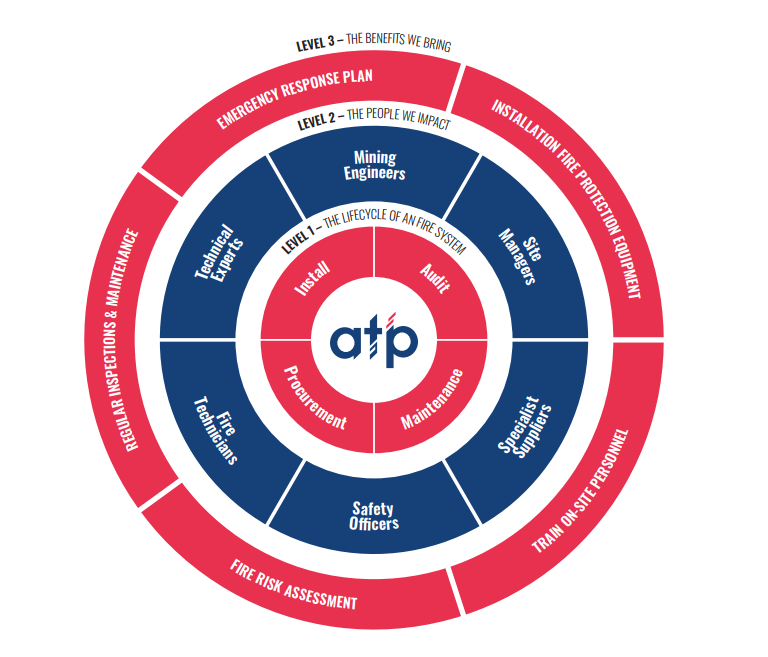
ATP’s Integrated Solutions approach is at the centre of its
SINGLE SOURCE DELIVERY MODEL
There is a particular electricity that hums through the air when the stakes climb and every decision begins to carry weight. For those who find themselves drawn to the thrill of competition, the concept of becoming a winner is rarely about a single stroke of luck. Instead, it is often the product of observation, timing, and a willingness to adapt when the game shifts unexpectedly. The journey toward that final triumphant moment is rarely linear, and that unpredictability is precisely what makes it so compelling.
Within the expansive universe of interactive entertainment, few names resonate as distinctly as the one found at http://casinowinnerbet.net, a destination where participants explore a curated selection of challenges designed to test both patience and nerve. The environment there mirrors a broader truth: success in any contest, digital or otherwise, hinges on understanding the mechanics beneath the surface. A player who merely reacts to outcomes will always lag behind one who anticipates them.
The psychology behind these pursuits is fascinating. When you observe seasoned participants, you notice they do not chase every opportunity that flashes before them. They wait. They measure the rhythm of the session, noting patterns in how fortune flows. This restraint is not timid; it is strategic composure. The ability to step back, reassess, and then strike with purpose separates the casual observer from the true contender. It is a discipline that transforms raw ambition into calculated action.
Consider the anatomy of a single decisive round. It begins with anticipation, builds through a series of minor choices, and culminates in a moment where hesitation is replaced by conviction. That final decision, whether to hold firm or to press forward, is where character reveals itself. Many can begin a pursuit with enthusiasm, but few possess the clarity to execute the perfect final move when the pressure peaks. This is not about recklessness; it is about recognizing the precise instant when opportunity aligns with readiness.
To truly engage with these contests, one must develop a toolkit of habits. The following points represent cornerstones that most experienced individuals rely upon, regardless of the specific challenge they face:
Different arenas demand different responses. A fast-paced game with rapid rounds rewards quick pattern recognition, while a slower, more deliberate type of challenge favors deep analytical patience. Understanding this distinction is vital because what works brilliantly in one environment can be disastrous in another. The adept player develops a versatile approach, one that can toggle between aggression and caution based on the subtle cues presented by the current situation.
To illustrate how these dynamics play out across varied formats, consider the comparative table below. It outlines how strategic priorities shift depending on the nature of the contest:
| Game Environment | Core Demand | Winning Tactic | Common Pitfall |
|---|---|---|---|
| Fast-Paced / High-Volume | Rapid processing | Streamlined bet sizing patterns | Burning out mid-session |
| Deliberate / Tactical | Deep pattern analysis | Prolonged observation before acting | Overthinking past the optimal window |
| Mixed / Variable | Flexible switching | Modulating pace based on momentum | Losing the thread between phases |
Each row in that breakdown represents a distinct philosophy. The swift player thrives on momentum, riding waves of activity while keeping their exposure measured. The deliberate player finds comfort in the quiet spaces, gathering information before revealing their hand. The adaptable player, arguably the most formidable, possesses no single identity but instead borrows elements from each approach as circumstances dictate. There is no universally superior style; there is only the style that fits the individual’s temperament.
Momentum deserves special attention, for it is both a gift and a trap. When things flow well, it is tempting to believe the tide will never turn, leading to inflated confidence. Conversely, when luck withdraws, the impulse to force a reversal often leads to poorer decisions. The wise participant treats momentum as weather, something to be observed and respected but never trusted blindly. They understand that the storm always passes and the calm never lasts forever.
Part of the enduring appeal lies in the ambiguity of the outcome. No matter how precise one’s preparation, the final result retains an element that cannot be manufactured. This duality creates a space where hope and logic coexist. Players invest in their process, yet they acknowledge that the ending is not solely theirs to write. This acceptance is not fatalistic; it is liberating. By releasing the illusion of total control, one can focus entirely on executing the present moment with integrity.
Perhaps the most undervalued skill in any competitive pursuit is the ability to conclude a session on one’s own terms. The winner recognizes that a successful afternoon is not measured solely by the ledger but by the preservation of capital and sanity for future encounters. Departing while still ahead, or while still composed after a setback, requires a strength that many lack. This discipline ensures that the pursuit remains a source of enjoyment rather than a source of distress.
The path toward mastering these games often generates recurring queries. Below are thoughtful responses to some of the most common points of curiosity.
Question: Is it better to stick with one game or explore many?
Answer: Depth breeds expertise, but breadth fosters adaptability. A focused approach allows for nuanced mastery of specific mechanics, while a varied approach prevents stagnation. Most individuals find success in establishing a primary focus while maintaining secondary interest in adjacent formats.
Question: How important is a pre-session ritual or routine?
Answer: Routine serves as an anchor for the mind, signaling the transition from casual to focused mode. It need not be elaborate, but consistency in preparation often correlates with consistency in performance. The key is that the ritual promotes calm and clarity rather than distraction.
Question: Should losses be chased in an attempt to recover quickly?
Answer: Chasing losses typically amplifies the original error by introducing desperation into the decision-making process. A more constructive approach involves reassessing the situation, potentially lowering intensity, and accepting that the session’s narrative is not yet complete.
Question: Can emotional state truly influence the outcome of a session?
Answer: Absolutely. A cluttered mind struggles to recognize subtle patterns and react swiftly. Engaging in play during periods of high stress or extreme elation often leads to erratic behavior. Entering a session with a balanced demeanor is a foundational advantage.
Question: What distinguishes an amateur from a seasoned participant?
Answer: The amateur plays to win the current round; the seasoned participant plays to win the longer game. This perspective shapes everything from bet sizing to session length, prioritizing survival and consistency over fleeting glory.
Ultimately, the quest to become a winner is a mirror held up to one’s own character. It reveals tendencies toward patience or impulsiveness, discipline or indulgence. Those who approach it with respect, preparation, and a clear head will find that the rewards extend beyond any single outcome. The final move, when executed with unrelenting focus, becomes its own victory, regardless of how the numbers fall.
"*" indicates required fields













"*" indicates required fields