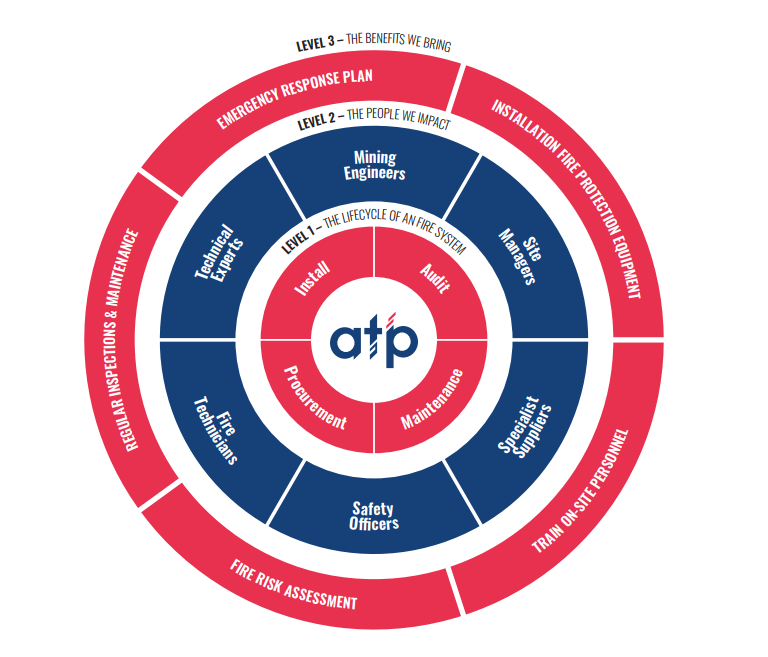
ATP’s Integrated Solutions approach is at the centre of its
SINGLE SOURCE DELIVERY MODEL
There is something quietly transformative about stepping into a space where the air feels cleaner, the pace slows down, and your senses awaken to the raw beauty of nature. New Zealand has long been celebrated as a sanctuary for those seeking balance — a place where majestic mountains, pristine beaches, and lush forests invite you to breathe deeper and think clearer. But in recent years, the concept of wellness here has evolved beyond traditional spa treatments and yoga retreats. It has woven itself into the very fabric of daily life, offering a holistic approach that nourishes the body, mind, and spirit. For those looking to explore this unique blend of adventure and tranquility, many have turned to digital platforms that mirror this philosophy, such as https://wellecasinonz.com, where entertainment and mindful engagement converge.
The journey toward redefining wellness in New Zealand begins with an understanding that true health is not merely the absence of illness, but the presence of vitality. This perspective has given rise to a movement that emphasizes connection — to the land, to community, and to oneself. Whether it involves hiking along the Tongariro Alpine Crossing, foraging for native herbs in the bush, or simply soaking in the geothermal hot pools of Rotorua, each experience is designed to restore and rejuvenate. The indigenous Māori concept of *hauora* — a holistic view of health that includes physical, mental, social, and spiritual well-being — serves as the foundation for much of this modern wellness philosophy.
One cannot discuss New Zealand’s wellness identity without acknowledging its extraordinary natural environment. The country’s diverse ecosystems act as a living pharmacy, offering everything from manuka honey with its potent antibacterial properties to the calming influence of kawakawa leaves used in traditional remedies. Forest bathing, known locally as *”ngahere waere,”* has become a popular practice, encouraging individuals to immerse themselves in the woods to reduce stress and boost immunity. The sounds of native birdsong, the scent of damp earth after rain, and the dappled sunlight filtering through the canopy — these sensory experiences are crafted by nature herself to promote healing.
Coastal regions add another layer of therapeutic benefits. The rhythmic crash of waves against the shore, the salty breeze against your skin, and the vast horizon stretching endlessly before you can quiet a restless mind. Many wellness retreats now offer guided beach walks combined with mindfulness meditation, helping participants anchor themselves in the present moment. As one local guide puts it, “The ocean doesn’t judge; it just listens.”
What sets the New Zealand wellness scene apart is its seamless marriage of ancient traditions with contemporary science. Māori healing practices, which emphasize the interconnectedness of all living things, are increasingly integrated into mainstream wellness programs. For example, the use of *rongoā*, traditional Māori medicine, involves plants like harakeke (flax) and koromiko for their soothing and anti-inflammatory effects. Modern practitioners are now studying these remedies in controlled settings, validating what indigenous wisdom has known for centuries.
Meanwhile, technological advancements have allowed for personalized wellness tracking that respects this holistic framework. Wearable devices monitor sleep patterns, heart rate variability, and stress levels, offering insights that help individuals fine-tune their routines. Some retreats even combine biofeedback with guided nature excursions, creating a synergy between high-tech data and low-tech surroundings. This balance defines the new standard of well-being: not rejecting progress, but using it thoughtfully to enhance our innate connection to the world around us.
To appreciate how New Zealand’s approach differs from other models, consider the following comparison.
| Aspect | New Zealand Model | Conventional Spa Model |
|---|---|---|
| Philosophy | Holistic, rooted in Māori *hauora* | Clinical, symptom-focused relief |
| Environment | Untamed wilderness as therapy | Indoor controlled settings |
| Activities | Forest bathing, foraging, coastal meditations | Massages, facials, steam rooms |
| Community | Group connections and shared rituals | Individualized treatments |
| Outcome | Lasting lifestyle change | Temporary relaxation |
It is clear that while conventional spas offer valuable respite, the New Zealand model aims for deeper, more enduring transformation by engaging with the world beyond the treatment room.
Q: What makes New Zealand’s wellness approach unique?
A: It blends Māori healing traditions with modern science and emphasizes direct engagement with nature, fostering a sense of belonging and interconnectedness.
Q: Can I experience this wellness philosophy without visiting New Zealand?
A: Yes, many principles can be adapted at home. Practices like forest bathing, mindful walking, and using natural remedies are accessible anywhere.
Q: Are there age restrictions for wellness retreats in New Zealand?
A: Most retreats welcome all ages, though some activities may have age or fitness requirements. It’s best to check with individual providers.
Q: How does Māori culture influence modern wellness programs?
A: Māori concepts like *whanaungatanga* (kinship) and *kaitiakitanga* (guardianship) inspire programs that prioritize community, sustainability, and spiritual connection.
Q: What should I pack for a wellness-focused trip to New Zealand?
A: Comfortable walking shoes, layers for variable weather, a reusable water bottle, and an open mind for new experiences. Many retreats provide gear for specific activities.
Q: Is digital detox part of the wellness experience?
A: Some retreats encourage limited screen time, but others incorporate technology for tracking health metrics. It varies by program.
In reimagining what wellness can be, New Zealand offers not just a destination but a mindset — one that invites you to slow down, tune in, and rediscover the simple joys of being alive. Whether you are traversing alpine trails, learning from Māori elders, or simply sitting quietly by a lake, the land itself seems to whisper a timeless truth: true health begins when you remember that you are part of something larger. And that, perhaps, is the most profound healing of all.
"*" indicates required fields












"*" indicates required fields